
Speakers
Emma Holten
Emma Holten is a Danish bestselling author and activist who radically challenges the current economic system. In her book *Scarcity: How a Feminist Economy Can Enrich Our Lives*, she draws a direct link between the exploitation of unpaid care work and the depletion of our planet. She advocates for a feminist economy in which human and ecological well-being are central. Holten is an internationally respected gender policy adviser who advises organisations including Human Rights Watch.
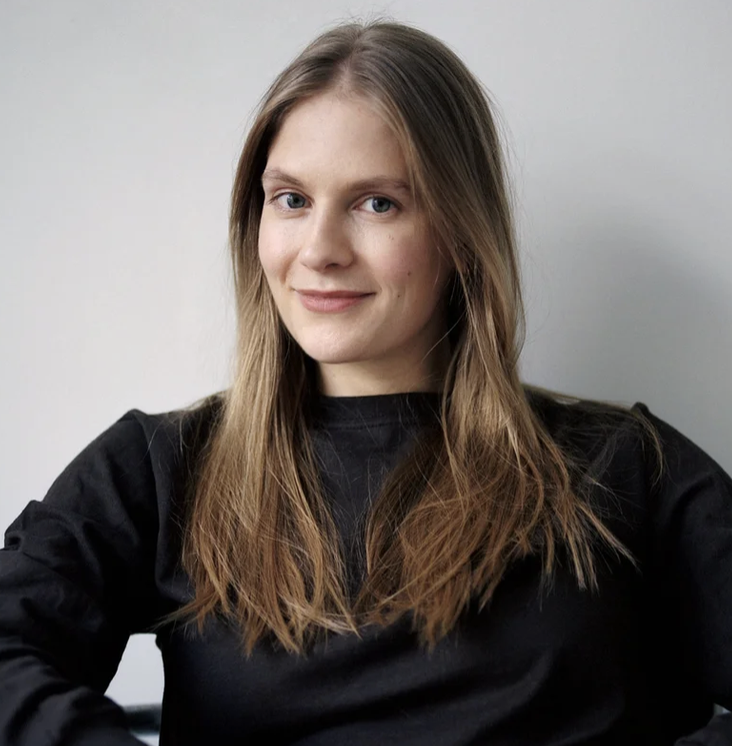
Tine Hens
Tine Hens (1974) is a historian, author and journalist for Apache and Knack Focus. She writes mainly about the climate crisis, the dramatic loss of animals, plants and fungi, and about living within the limits of this planet. She has written several books, including Het klein verzet (EPO, 2015), an account of a journey through Europe exploring alternative ways forward; Het is allemaal de schuld van de Chinezen! (EPO, 2021), which explores typical talking points in climate debates, and De wereld die we delen (EPO, 2022), which examines humanity as part of all life on this planet. Her latest book is entitled Archief van mogelijk verlies.
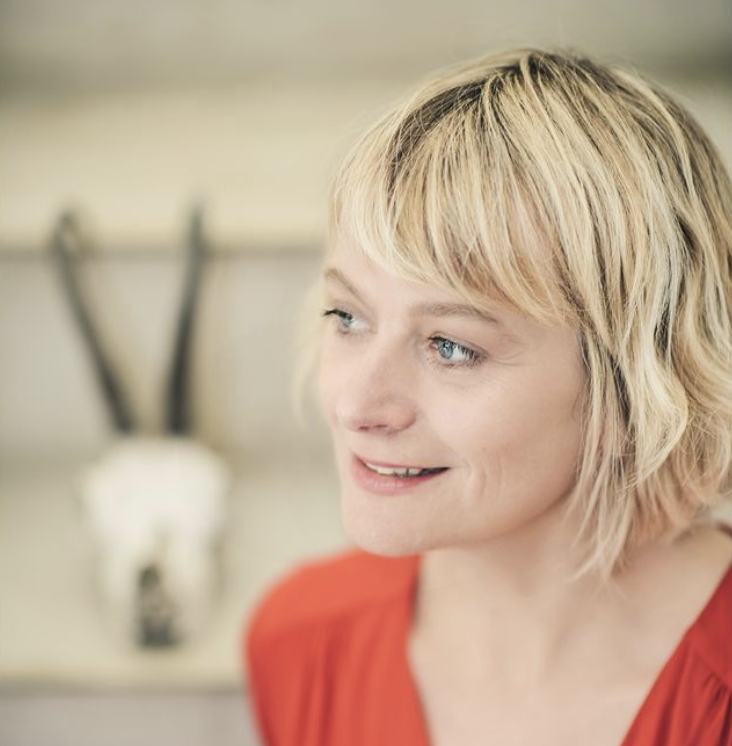
Jonas Van der Slycken
As a visiting professor of Regenerative Economics at Ghent University, Jonas Van der Slycken encourages students to reflect critically on well-being and prosperity, societal transitions, democracy, inclusion and justice, the ecological economy and post-growth, the ‘meenten’, monetary systems and systems thinking.
Through his work as a writer and economist, he is passionately building regenerative prosperity systems to forge tomorrow’s future-ready society today.
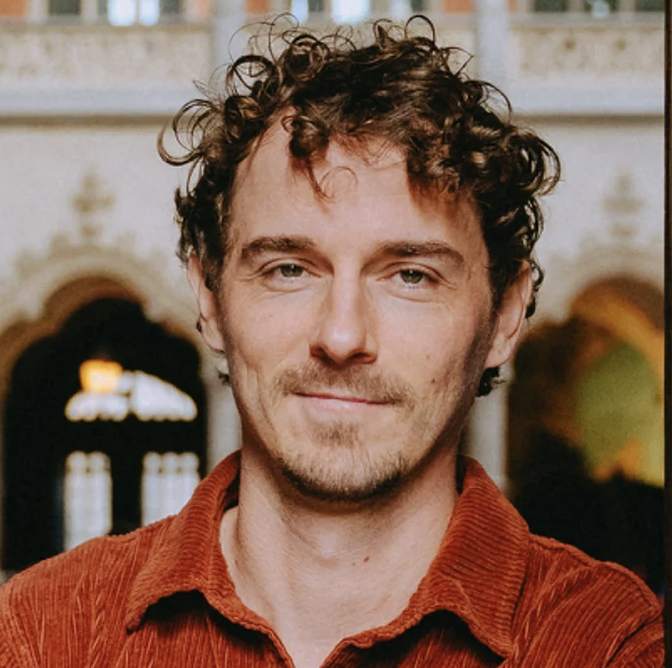
Wim Peumans
Wim Peumans (born 1984 in Tongeren) is a writer.
He obtained a PhD in anthropology (KU Leuven) and worked as a researcher at the Universities of Kent and Witwatersrand. His latest book, De Maas, is a compelling mosaic narrative about how plants, animals, humans and the river are intimately intertwined.
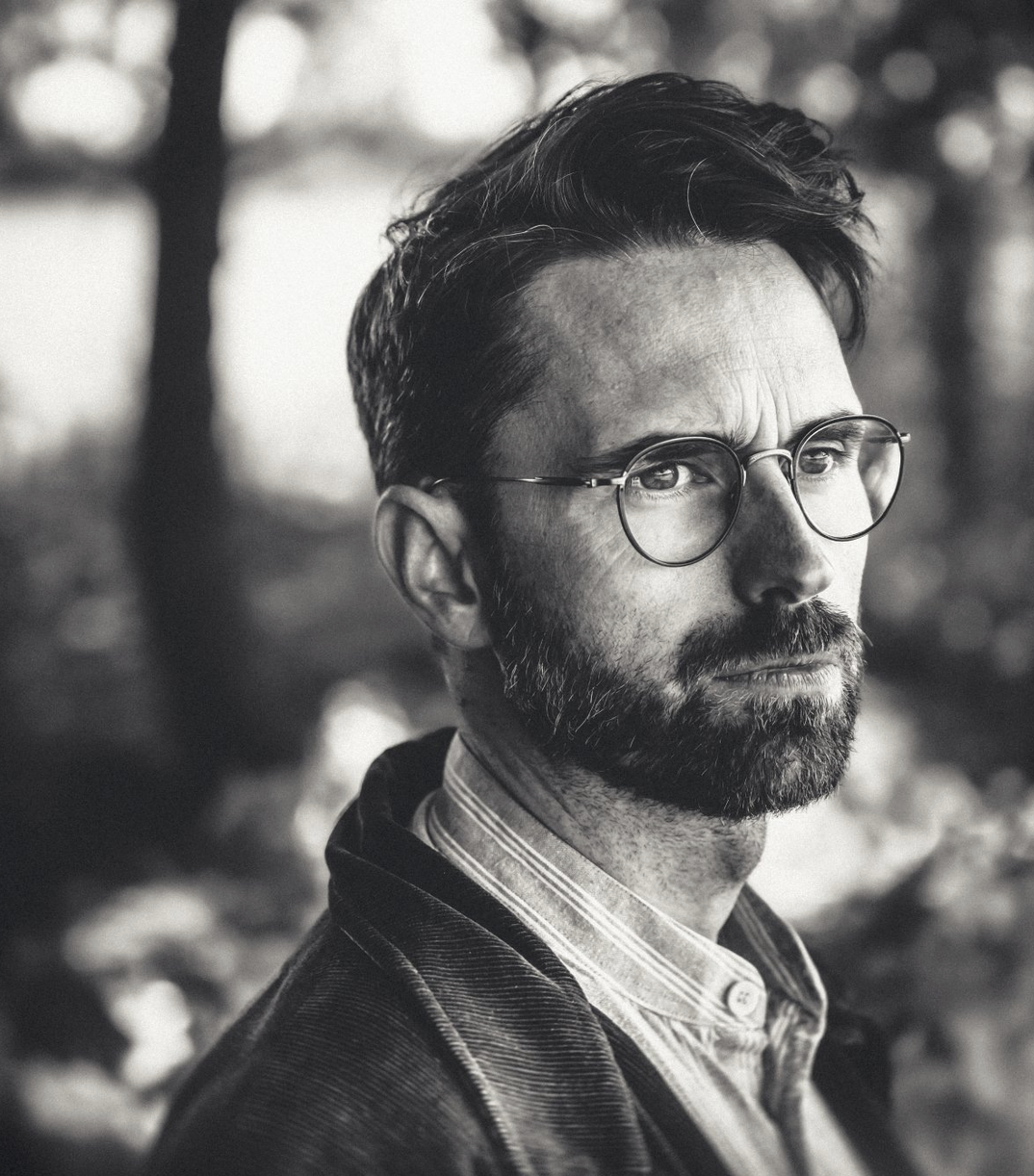
Jeroen Oomen
Jeroen Oomen is a lecturer at the Urban Futures Studio, where he focuses on the social, cultural and scientific practices that shape the way societies envisage the future. He is co-author of Captured Futures – Rethinking the Drama of Environmental Politics, which Nature has described as perhaps the most important book on environmental politics of the past decade.
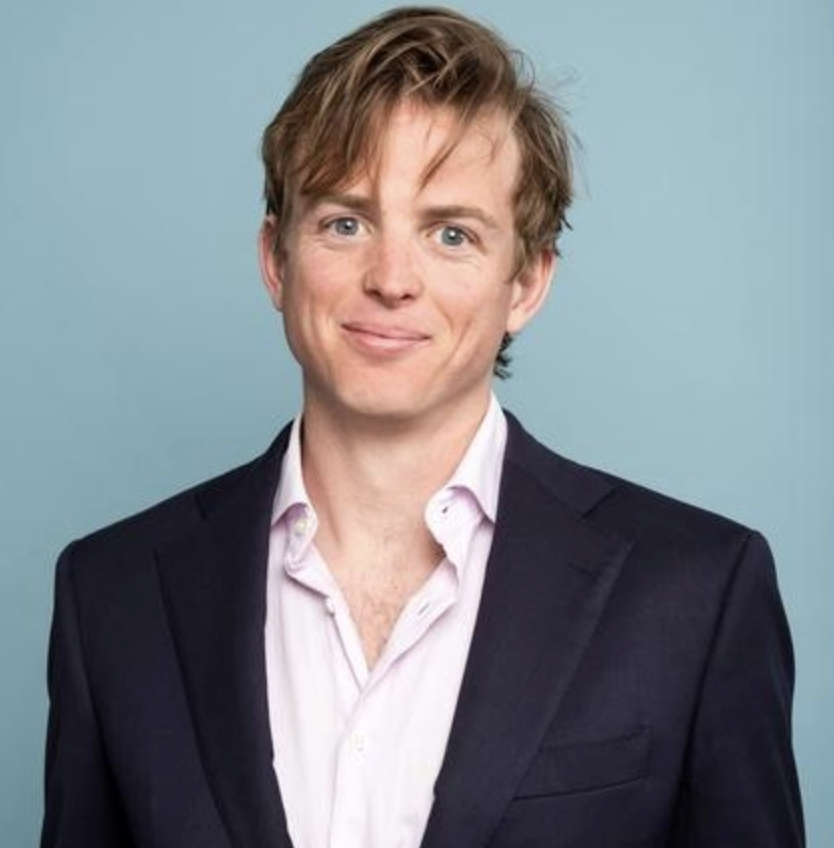
Stef Craps
Stef Craps is a professor of English literature at Ghent University, where he heads the Cultural Memory Studies Initiative, a research group that brings together academics from across the humanities who are engaged with issues surrounding memory and trauma, as expressed through culture. He is currently working on a study of ecological mourning as a creative and transformative process.
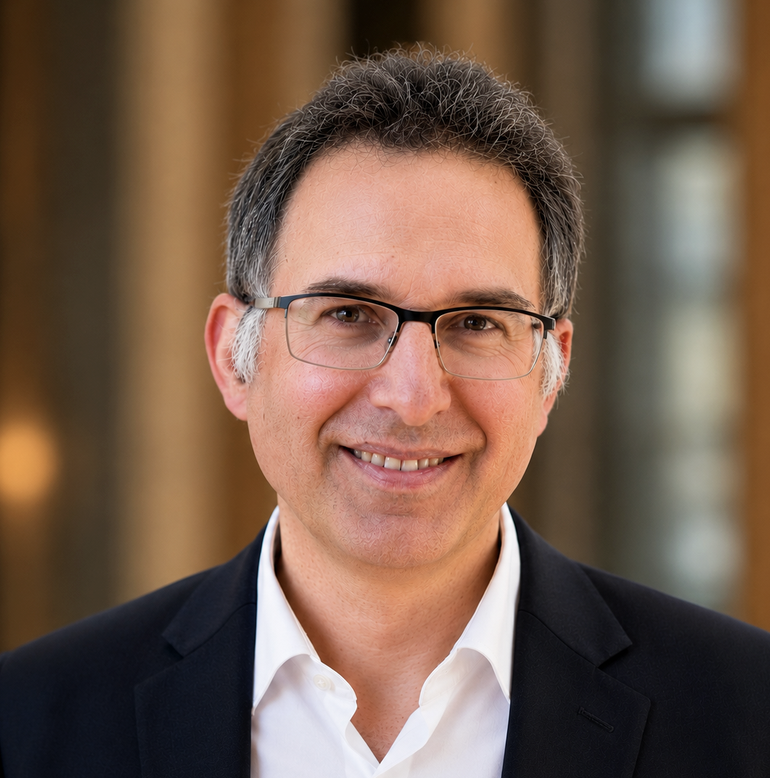
Birsen Uçar
Birsen Uçar is a musician and writer. She sings with Hydrogen Sea and writes lyrics for artists such as Selah Sue and Geike. She studied English language and literature at the Vrije Universiteit Brussel and screenwriting at RITCS in Brussels. She is also an aspiring eco-philosopher. She explores how humans have become disconnected from nature and advocates for a deeper connection with non-human beings. She is currently working on her debut novel.
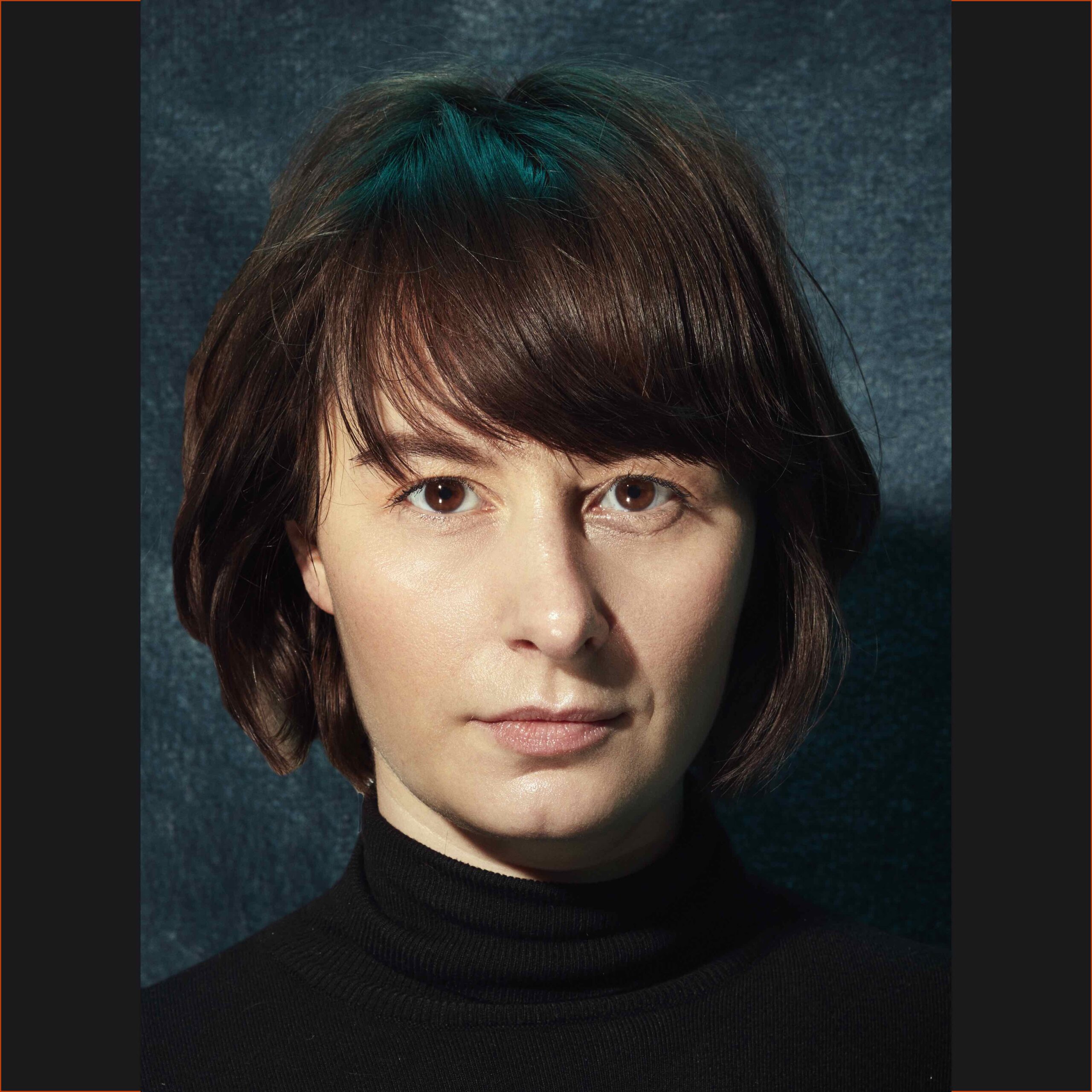
Ellen Jacobs
Ellen Jacobs (1996) graduated in June 2021 from KASK & Conservatory in Ghent as a composer under Daan Janssens and took masterclasses from composers such as Oscar Bettison, Ansgar Beste, and Malin Bång. She has worked with, among others, the HERMES ensemble, the Erämaa Trio, the Virago Symphony Orchestra, the guitar duo STOOM, and the núna ensemble. In her work, she explores the boundary between the sounds that surround us and music.
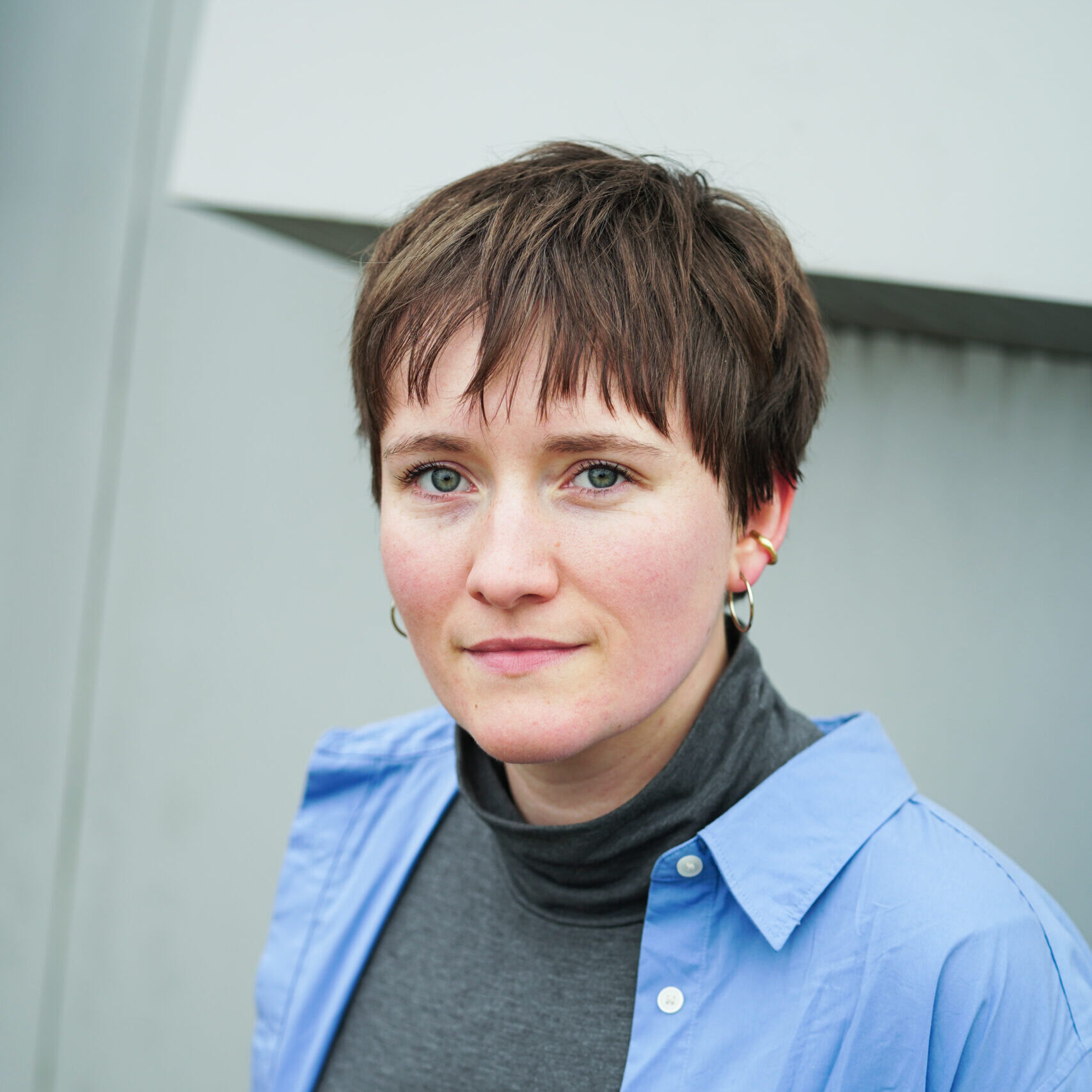
Helen Weeres
Helen Weeres has a background in poetry and literary and cultural analysis, and works in the arts. Helen’s practice is informed by poetry and a fascination with artefacts and instruments that inspire regenerative interactions between humans and the wider ecosystem. Themes such as human-inclusive ecosystems, lost (pagan) rituals, folklore, queer ecology and human-soil relationships often take centre stage in Helen’s thought-provoking poems, performances, installations and (inter)active gatherings. Helen is also a Spokesperson for the Living at Zoöp Leven met het Land and acts as their Master of Ceremonies within the interdisciplinary ERF residency programme at the regenerative farm ‘t Gagel.
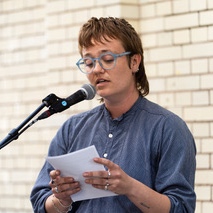
Nick Meynen
Nick Meynen is an author, speaker and expert in climate transition and geopolitics. He studied geography, conflict and development, international investigative journalism and writing. His career has spanned war studies, investigative journalism and ten years of European policy consultancy. For Oikos, he co-edited the special issue Imagining Europe Beyond Growth (2023) and the feature on bioregionalism in issue 120 (Autumn 2026). As an activist and social entrepreneur, he also works in very practical ways to bring about the world he loves to talk about. However, his most complex management role is, and remains, raising two daughters.
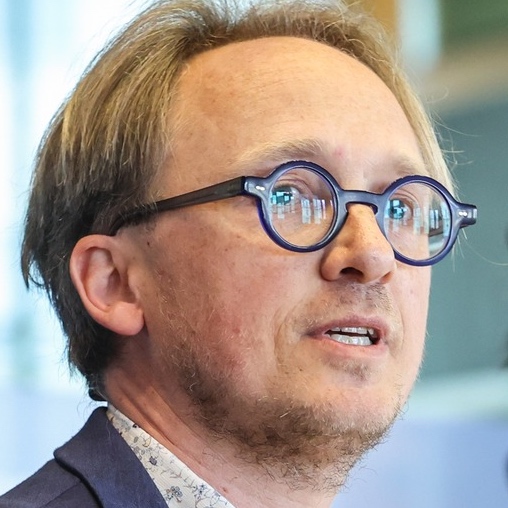
Nikki Dekker
Nikki Dekker (1989) is a writer and radio producer. Her debut novel diepdiepblauw (“deepdeepblue”) (2022) was awarded the CCS Crone Stipendium and nominated for the Bronzen Uil (shortlist) and De Boon (longlist). De Volkskrant named her ‘literary talent of 2023’. Previously, Nikki published essays and poetry in her chapbook een voorwerp dat nog leeft (“an object that still lives”) (2018). She has produced radio documentaries for NTR and VPRO, and wrote the script for the fiction podcast series De Brandstapel (“Pyre”). Nikki writes columns for Vroege Vogels and is on the editorial board of the literary magazine Tirade. In September 2024, her second book, Graafdier, een tocht door de aardbodem, terug in de tijd, (“Digging animal, a journey through the earth, back in time”) was published.
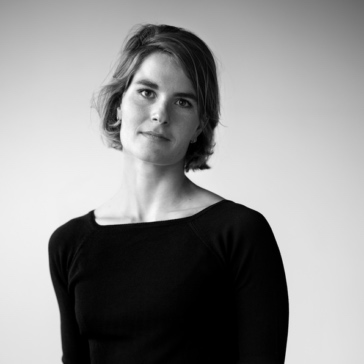
Dirk Holemans
Dirk Holemans (born 1965) is an author, urban storyteller, keynote speaker and coordinator of Oikos. His essays and op-eds appear regularly in the media. As an author, he published Vrijheid & Zekerheid: Naar een sociaal-ecologische samenleving (“Freedom & Security: Towards a socio-ecological society”) in 2016. In 2020, he was the editor and co-author of Het Ecologisch Kompas (“The Ecological Compass”). A year later he co-wrote the essay Voor wie willen we zorgen? (“Who do we want to care for?”). At the end of 2023, Omgroei – Meer levenskwaliteit voor iedereen, published in English in 2024 under the title Enough. Thriving Societies Beyond Growth.

ECOPOLIS 2026